What is a retcon in movies, TV and comics?
A retcon changes how an established story is understood by adding, rewriting or removing information later. But not every surprise, reboot or continuity mistake is a retcon.
In this article13 sections
Retcon is one of those words that gets attached to almost any surprising change in a long-running story. A character returns from the dead? Retcon. A sequel reveals a secret? Retcon. A reboot changes an origin story? Retcon.
But the term is more useful when it means something narrower.
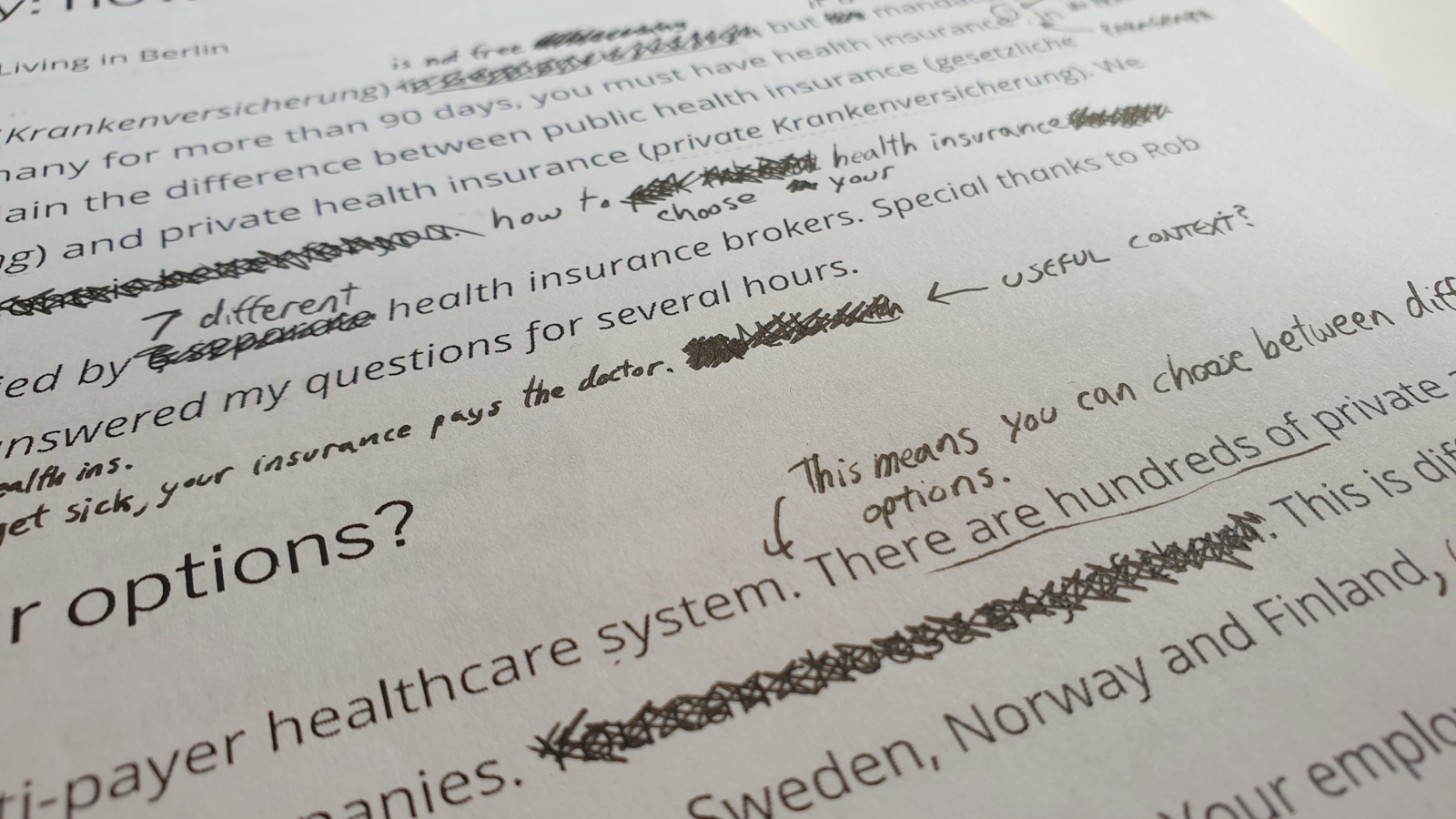
A retcon — short for retroactive continuity — happens when a later story changes how previously established fictional events, characters or facts are understood. Sometimes the old events still happened but gain a new meaning. Sometimes a later work contradicts an earlier fact. And sometimes part of the old continuity is effectively removed.
The important part is the word retroactive: the change reaches backward into a story that already exists.
Retcon: the quick answer
A retcon is a later change to an established fictional continuity.
It can work in several ways:
- Add new information: an earlier event still happened, but a later story gives it a different explanation.
- Rewrite an established fact: something the story previously treated as true is later replaced by a different version.
- Remove part of continuity: later material declares that earlier events no longer count in the same way — or did not happen at all in the current continuity.
Those are useful descriptive categories, not a universal rulebook used by every writer or publisher.
The simplest test is this: was something already established, and did later material change how that earlier material now counts?
If the answer is yes, you are probably looking at a retcon.
Where does the word “retcon” come from?
Retcon is an abbreviation of retroactive continuity.
The longer phrase existed before comics fandom adopted it. Merriam-Webster traces an early use of “retroactive continuity” to a 1973 theology book, while the phrase later gained a much more specific storytelling meaning among comic-book readers and writers.
Damian Cugley, who was active in online comics discussions, says he coined the shortened word retcon in 1989. Merriam-Webster also dates the first known uses of the noun and verb to 1989, when the abbreviation was appearing in Usenet discussions.
The useful distinction is that comics did not invent the English words retroactive and continuity. What comics fandom helped popularise was their use as a term for changing an ongoing fictional history — and eventually the much handier word retcon.
How does a retcon change continuity?
Long-running stories accumulate history.
A character's parents, powers, relationships, deaths, victories and mistakes become constraints for later writers. That is part of what makes continuity satisfying: new stories have to live with what came before.
But it also creates problems.
A writer may inherit an origin story that no longer works. A character who would be useful in a new story may have been killed years earlier. Two previous stories may contradict each other. A franchise may want to keep decades of history without being trapped by every detail ever published.
A retcon changes that relationship with the past.
Instead of starting an entirely new continuity, the story reaches backward and changes the meaning or status of something already established.
Three common ways a retcon can work
There is no single official taxonomy that divides every retcon into fixed categories. But three patterns are useful when trying to understand what a story has actually changed.
1. Additive or recontextualising retcon
The original events remain in place, but later information changes what they mean.
Perhaps a character believed someone was dead, but a later story reveals how that person survived. The earlier scene still happened. The audience simply understands it differently now.
This is often the least destructive kind of retcon because the writer can preserve most of the existing continuity while opening a new interpretation.
2. Contradictory or rewriting retcon
A later story replaces something that earlier material had treated as established fact.
An origin may change. A relationship may be rewritten. A character's history may be altered in a way that cannot be explained simply by adding missing information.
The old story still exists as a published work, but the current continuity asks the audience to accept a different version.
3. Erasure retcon
This is the most aggressive version: earlier events are removed from the active continuity or declared not to have happened in the way viewers originally experienced them.
A dream reveal, alternate timeline or continuity reset can sometimes do this.
These retcons can solve a large storytelling problem very quickly, but they also carry the greatest risk of making audiences feel that their investment in the erased material did not matter.
Retcon vs plot twist: what is the difference?
A plot twist is an unexpected change in the way a story develops. A retcon is specifically about the relationship between later material and already established continuity.
That means the two ideas can overlap, but they are not synonyms.
If a mystery spends an entire season hiding a character's real identity and then reveals it in the finale, that is clearly a plot twist. It is not automatically a retcon just because the audience learned something new.
The earlier story may have been deliberately written around that secret from the beginning.
A retcon becomes a more useful label when a later work changes what an earlier work had already established or substantially changes how those earlier facts are meant to be understood.
So a reveal can be:
- a plot twist without being a retcon;
- a retcon without being particularly surprising;
- or both at the same time.
Retcon vs reboot: they are not the same thing
A reboot starts something again with a new version or fresh beginning.
A retcon normally operates inside a continuity that is still being used.
If a franchise starts over with a new cast, new origin and separate continuity, calling every difference a retcon is not very useful. The new version may simply be a reboot.
A reboot can certainly contain ideas inspired by older continuity, and a franchise can combine rebooting with selective retcons, timelines or legacy material. But the concepts describe different things.
A useful shorthand is:
- Retcon: change the past of the continuity you are still using.
- Reboot: start the property again as a new version.
Retcon vs continuity error
Not every contradiction is deliberate.
A continuity error can happen because writers forget a detail, production changes hands or a long-running franchise simply accumulates inconsistencies.
The existence of a contradiction does not automatically mean somebody retconned the story.
A retcon appears when later storytelling actively establishes a new explanation, version or status for the conflicting material.
In fact, retcons are sometimes used to repair continuity errors. A later writer can take two things that do not fit together and create a new piece of story that explains why both appear to be true.
Three useful examples of retcons
Retcons become much easier to understand when the mechanism is visible.
Sherlock Holmes: a later story changes an apparent death
Arthur Conan Doyle's 1893 story The Final Problem ended with Sherlock Holmes apparently dying after his confrontation with Professor Moriarty at Reichenbach Falls.
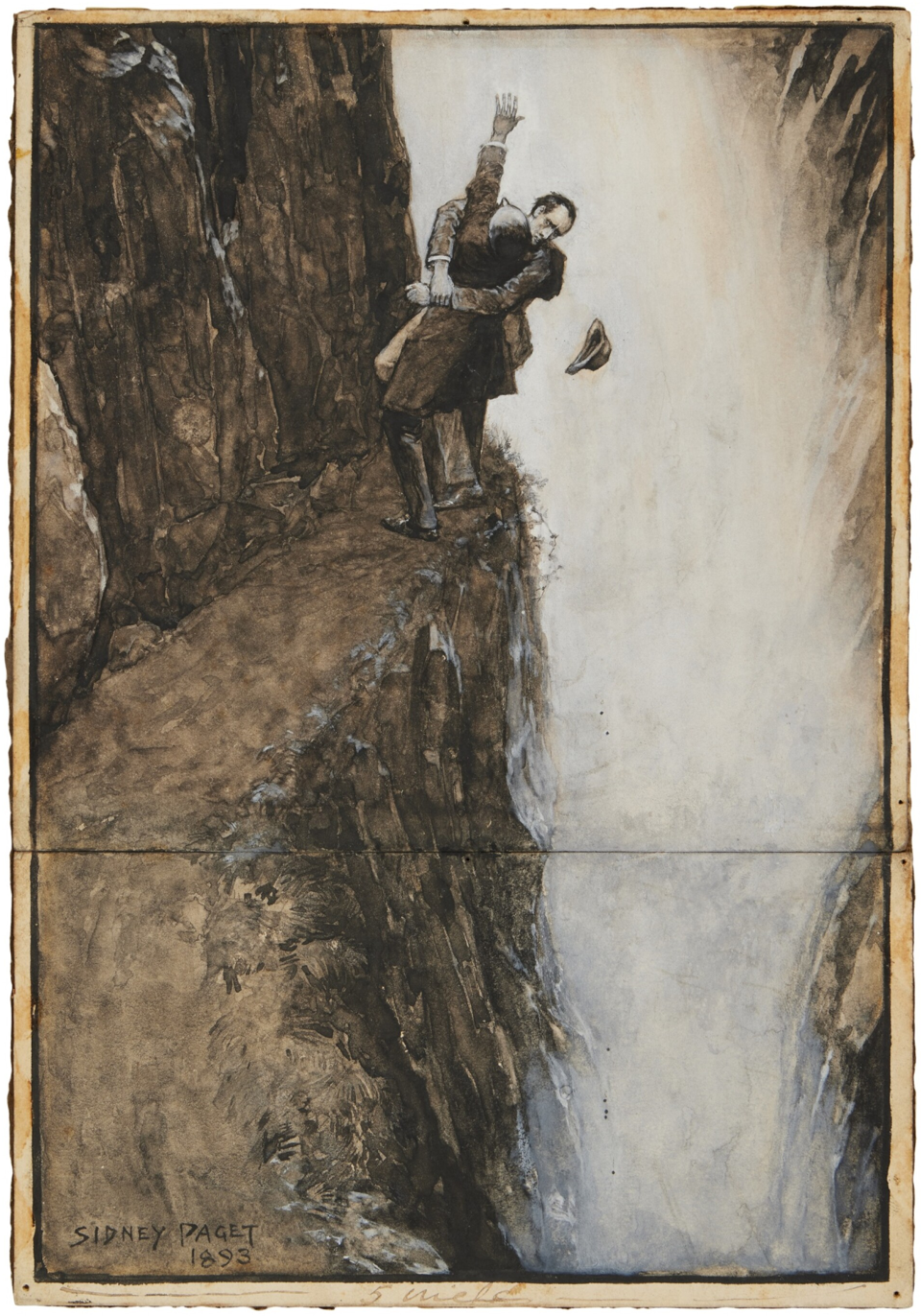
Holmes eventually returned in The Adventure of the Empty House, published in 1903. Doyle revealed that Holmes had survived.
The original confrontation did not need to disappear. Instead, the later story changed the audience's understanding of its outcome.
Merriam-Webster uses Holmes's return as an early example of the kind of storytelling we now call a retcon, and Damian Cugley has also pointed to it as a useful old example of retroactive continuity.
Swamp Thing: changing what the character had always been
Alan Moore's “The Anatomy Lesson” is one of the clearest comic-book examples of a recontextualising retcon.
Earlier Swamp Thing stories treated the creature as scientist Alec Holland transformed into a plant-like monster.
Moore's story changed that understanding. Alec Holland had died; Swamp Thing was plant matter that had absorbed his memories and believed itself to be Holland.
The power of the change was that years of previous stories did not need to be thrown away. The creature had still behaved as if it were Alec Holland. The retcon changed why.
DC itself describes “The Anatomy Lesson” as a story that transformed or reshaped the meaning of every Swamp Thing story that came before it.
Dallas: erasing a season with a dream
Dallas provides a much more aggressive example.
Patrick Duffy's Bobby Ewing had been killed after the actor left the series. When Duffy returned, the show revealed that Bobby's death and the entire intervening season had been a dream.
The series then resumed from the earlier continuity.
This did more than reinterpret one scene. It removed a large block of already aired story from the active timeline in order to restore a character and previous status quo.
It is also a good example of why retcons can be controversial: Television Academy's retrospective on the storyline notes that some viewers felt shortchanged after investing in events that were later erased.
Why do writers use retcons?
Retcons exist because long-running fiction has to solve problems that a standalone story never faces.
A writer may use one to:
- bring back a character whose death now blocks a useful story;
- repair contradictory continuity;
- replace an origin that no longer fits the character;
- free a franchise from an unpopular creative decision;
- connect newer ideas to older material;
- make decades of continuity easier for current stories to use;
- reinterpret an old event from a more interesting perspective.
None of those reasons automatically makes the result good or bad.
A retcon is a tool. The important question is what the new story does with it.
When can a retcon work well?
The strongest retcons often feel less like deleting history and more like discovering another layer of it.
They tend to work better when the new information:
- fits into gaps the older story genuinely left open;
- preserves the emotional consequences of earlier events;
- creates more interesting future stories;
- explains rather than merely ignores contradictions;
- makes earlier scenes richer when viewed again.
Swamp Thing is powerful partly for this reason. The new origin does not require readers to pretend that all earlier stories vanished. It changes how those stories are interpreted.
A good retcon can make audiences look backward and see material they already know in a new way.
Why do retcons sometimes frustrate audiences?
Continuity creates trust.
If a story asks viewers to care about a death, relationship, sacrifice or entire season, they reasonably expect those events to matter later.
A retcon can damage that trust when it feels as if the writers want the benefits of an old storyline without accepting its consequences.
The risk is especially high when a retcon:
- erases large amounts of story;
- undoes an emotional ending without replacing it with something equally meaningful;
- contradicts details the original work made unusually explicit;
- exists only to solve an immediate production problem;
- is itself retconned again shortly afterwards.
Repeated revisions can also make continuity feel temporary. If audiences assume every major consequence can be undone later, new consequences may carry less weight.
How can you tell if something is really a retcon?
Before calling a story change a retcon, ask a few questions:
- Was the earlier information actually established? A fan theory being disproved is not a retcon.
- Did the new information arrive later? A reveal built into the same mystery may simply be a twist.
- Does it change how earlier continuity is understood? Learning a new fact is not enough by itself.
- Is the same continuity still in use? If everything restarted as a separate version, you may be looking at a reboot instead.
- Was the contradiction deliberately addressed? An unexplained mistake is still just a continuity error.
There will always be borderline cases, especially when nobody outside the writers' room knows what was planned from the beginning.
That is why retcon is most useful as a description of what the published story does to continuity, rather than as an accusation about what a writer supposedly intended.
A retcon is not automatically bad writing
The word often sounds negative because audiences notice retcons most when something they cared about gets undone.
But retroactive continuity is not inherently a mistake.
Some of the most influential long-running characters have been shaped by writers finding smarter ways to reinterpret their past. Other retcons became famous precisely because audiences rejected the change.
The difference is not whether a writer changed continuity. Long-running fiction changes all the time.
The real test is whether the new version makes the story more coherent, more interesting or more emotionally worthwhile than the version it replaced.
Editorial references
Sources
-
Retcon Definition & Meaning
Accessed 2026-08-25
-
A Short History of 'Retcon'
Accessed 2026-08-25
-
Retcon
Published/updated 2012-12-03 Accessed 2026-08-25
-
Blood in the Bayou: Five Terrifying Swamp Thing Tales
Published/updated 2023-10-05 Accessed 2026-08-25
-
Dallas’s Infamous Plot Twist Didn’t Just Shock Viewers
Published/updated 2026-05-12 Accessed 2026-08-25
-
PLOT TWIST | English meaning
Accessed 2026-08-25
-
Reboot Definition & Meaning
Accessed 2026-08-25
More from Watchmora Journal

Inception ending explained: what it really means
Inception cuts to black before Cobb's spinning top gives us a final answer. Mechanically, the ending stays ambiguous. Emotionally, Cobb has already made his decision.
Read story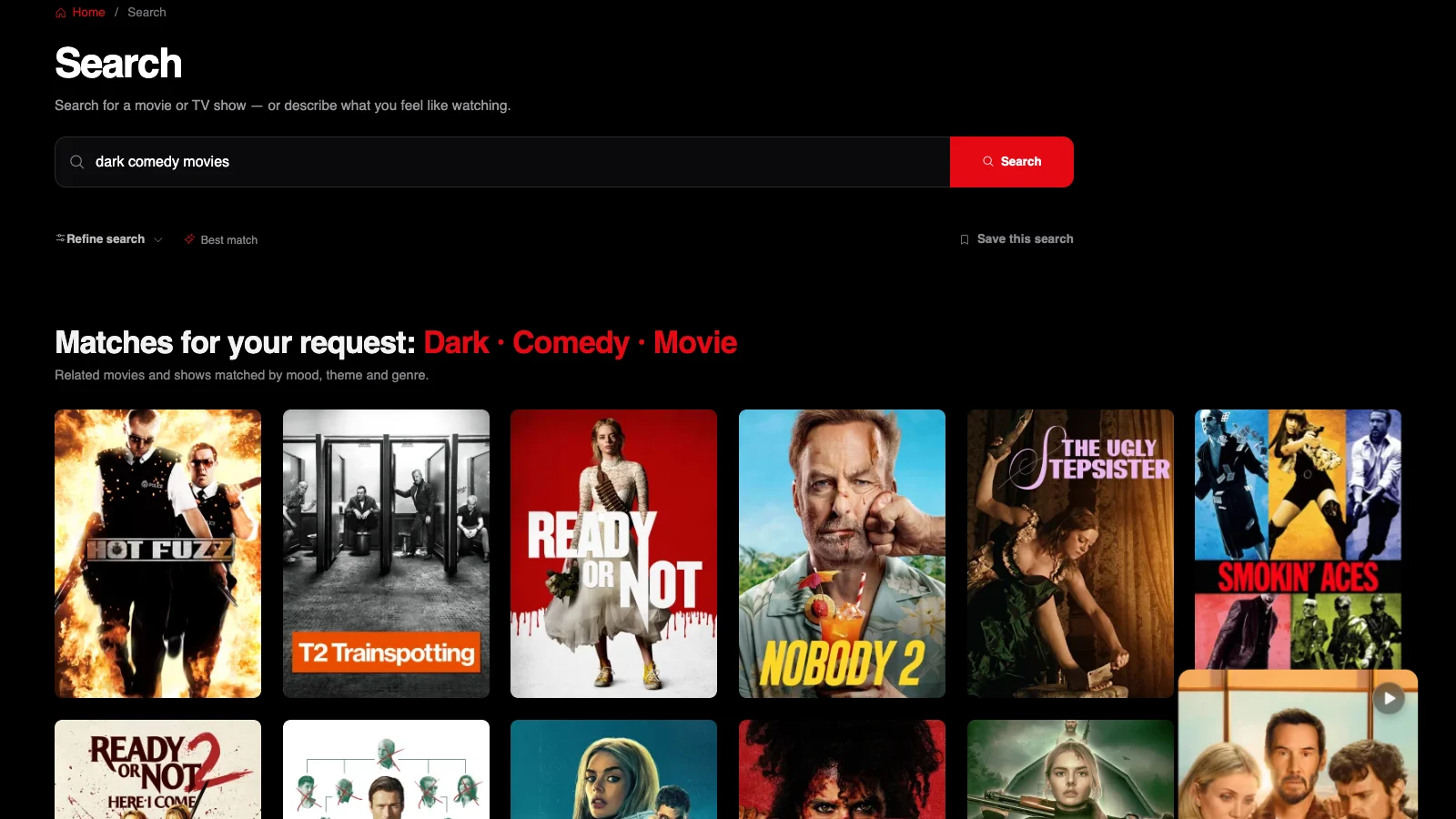
Don't know what to watch? Try searching Watchmora like this
You do not need to know a movie title to start searching. A mood, genre, format or even something you do not want can be enough to narrow the catalogue into something useful.
Read story
Where was Lost filmed? Key filming locations
The mysterious island in Lost was fictional, but much of what viewers saw was real Oʻahu. Beaches, valleys, camps and city buildings across the island repeatedly became completely different parts of the show.
Read story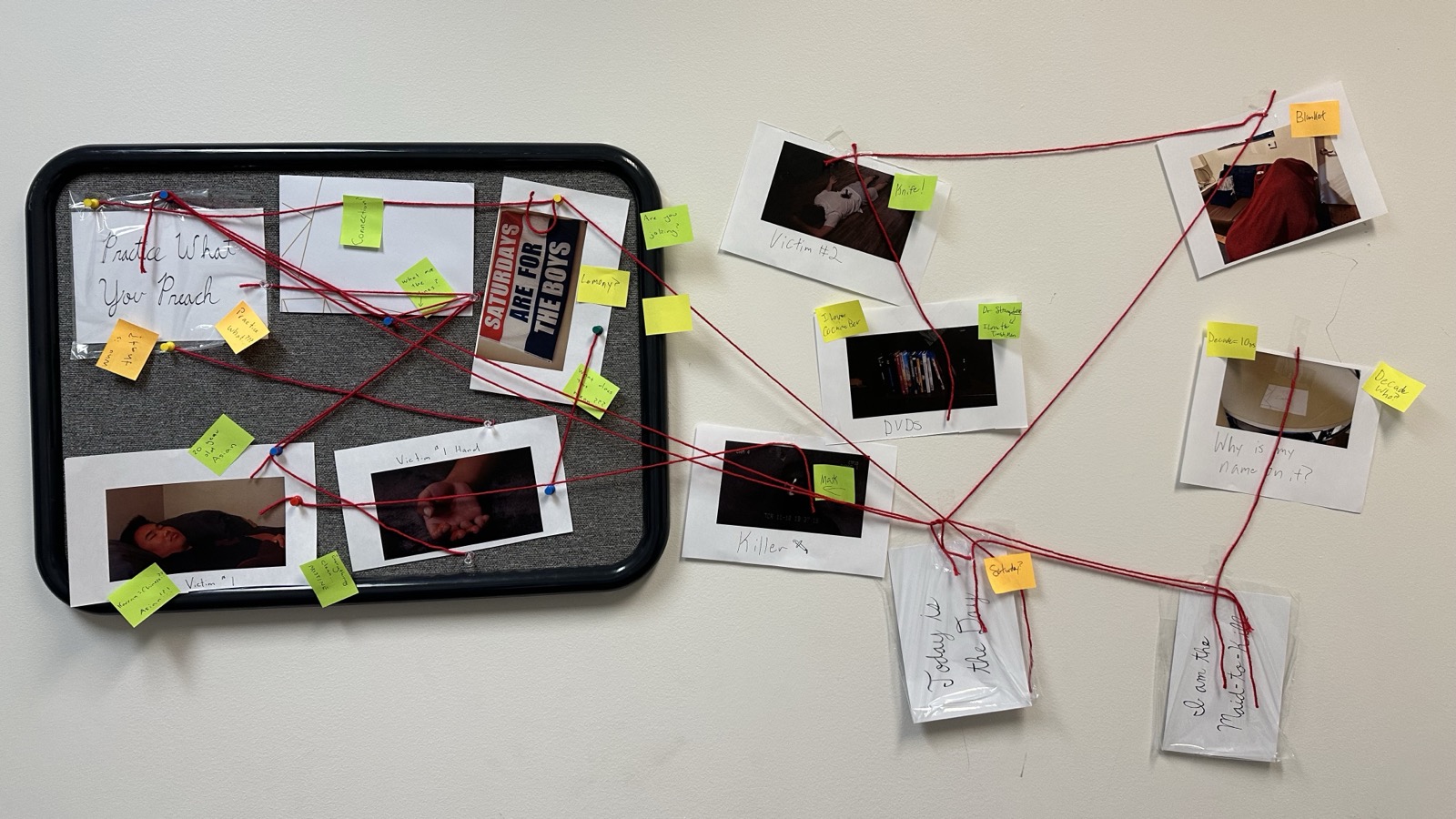
Four mystery series for four very different moods
Some nights you want a mystery that feels clever and easy to watch. Other nights you want something bleak, forensic or completely outside the usual police formula. These four series cover very different moods.
Read story