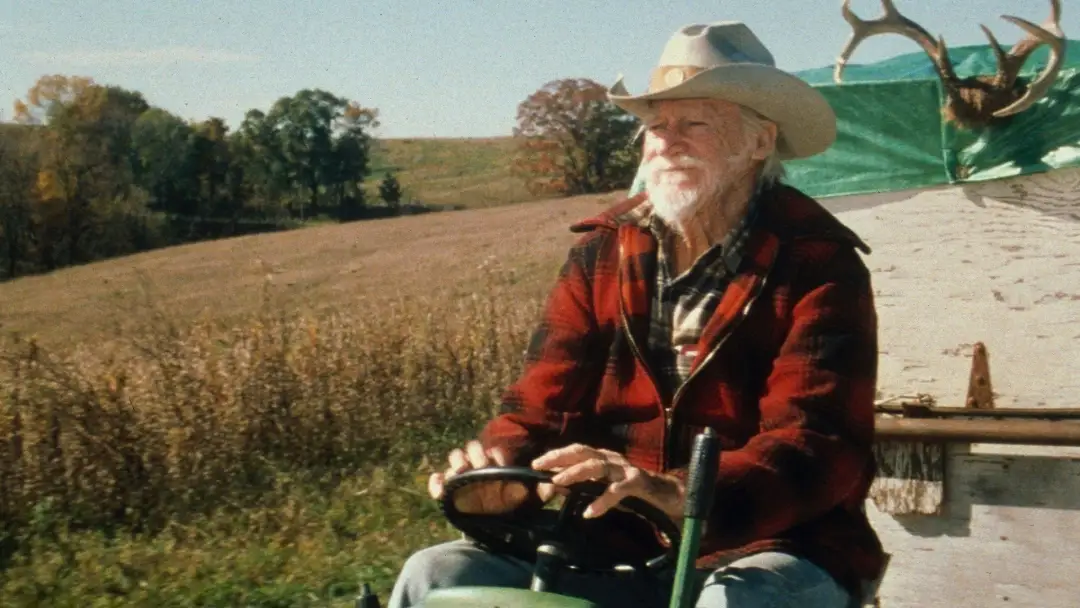
The Straight Story for an evening when you want to slow down
Take the long way with David Lynch’s 1999 road movie, where a mower breakdown, a conversation and the autumn light all get their own time.
In this article4 sections
Some evenings you want a film that takes you somewhere and gives you time to look out the window. David Lynch’s The Straight Story (1999) puts Richard Farnsworth on a ride-on lawnmower and sends him east from Iowa towards Wisconsin. Alvin Straight wants to see Lyle, the brother he’s fallen out with. The journey is based on a real one, and the absurdity of the vehicle is part of its appeal. A lawnmower looks perfectly sensible until someone points it at the far side of the Mississippi.
Choose this if you’re in the mood for a road movie with a clear destination and room for a conversation along the way. There’s a particular pleasure in the film’s refusal to hurry past people who would barely get a line in a faster trip. Alvin sets out to say something to one person. The miles give him time to listen to a great many others.
Give the lawnmower a chance
Alvin’s plan is easy to explain and difficult to carry out. That combination takes some pressure off the viewer. You can spend a stretch of the film with a speck of a man crossing a wide frame and know exactly why you’re still following him. You also have time to think about the contraption carrying him. At that speed a change in the slope of the road feels consequential. A stop for repairs can rearrange the whole day. Every person he has to ask for help adds a little complication to the idea of doing this on his own.
Farnsworth gives that stubbornness a dry, funny edge. Alvin can look entirely at home with his decision even as everyone around him works out what it will cost. Keep an eye on what he takes the trouble to explain to his daughter Rose, played by Sissy Spacek, and what he seems to think she’ll simply have to get used to. The departure belongs to her as well. She’s the one left in the familiar place while somebody she loves commits himself to an unfamiliar road.
Pay attention when he stops
Try following the small transactions on the way. There are twin mechanics who work on the mower and give Alvin an opportunity to bargain. A young traveller joins him for a conversation about family. Another person offers a ride. Each encounter asks him to decide what to accept, what he can offer and what’s worth explaining. The mechanics are especially welcome if you suspect you’re in for two hours of uninterrupted solemnity. A repair bill is a beautifully ordinary thing for a man on a deeply personal journey to get worked up about.
The encounters are also a way to think about why the trip has to take time. Imagine Alvin simply being dropped off. He could arrive with the same intentions, and we’d know much less about how he handles an awkward conversation or how much it takes for him to trust a stranger. Give the film a chance to show him dealing with smaller problems. By the time you’ve seen him haggle over a bill, his insistence on arriving under his own steam feels like a decision made by a person with habits and limits. It’s easier to care what such a person will find at the end of the road.
Let the landscape keep time
Mary Sweeney, who wrote the film with John Roach and edited it, told Little White Lies that the shoot took the crew from summer into autumn. She recalled the shots of fields being harvested and the trees turning as the production moved east. Roach told Texas Public Radio that he and Sweeney also drove the route during their research. Those are two different trips in the making of the film, one to learn the country and one to put it on screen.
On a first viewing, watch for a change in the fields after a scene with people. The cut can give you time to sit with what somebody just said, and the light or the work going on in the landscape can tell you that Alvin’s trip is taking place in a season that’s moving along without him. Listen for Angelo Badalamenti’s music, too. There’s a good question to ask when it comes in. Does the stretch of road feel shorter, or do you settle into it and start noticing more? If you’re keen to see whether the scale of the landscape and the size of that mower work for you, STUDIOCANAL’s trailer for the restoration gives you a quick look at both.
What kind of evening is it for?
Put it on when you’ve had enough of quick decisions for the day and would enjoy watching one person stick with a difficult one. It’s a good choice for two people who want something gentle to watch together and would still like to have something substantial to talk about afterwards. Which person on the route understood Alvin best? At what point would you have accepted a ride? You can disagree on both and have a fine conversation.
If what you want tonight is a road movie full of sharp turns and new destinations, save this one for a quieter evening. A sizeable part of its appeal is what can happen in a stretch of road that looks much like the last one. Give yourself time for the landscape to change and for a stubborn man to decide when to pull over. There’s a certain relief in spending an evening travelling at a speed you could walk beside.
Editorial references
Sources
-
The Straight Story
Accessed 2026-11-20
-
The Straight Story
Accessed 2026-11-20
-
Mary Sweeney: David considered The Straight Story a very abstract film
Published/updated 2026-02-16 Accessed 2026-11-20
-
The Story Behind The Straight Story
Published/updated 2020-08-26 Accessed 2026-11-20
-
Life in the slow lane
Published/updated 1999-12-05 Accessed 2026-11-20
More from Watchmora Journal
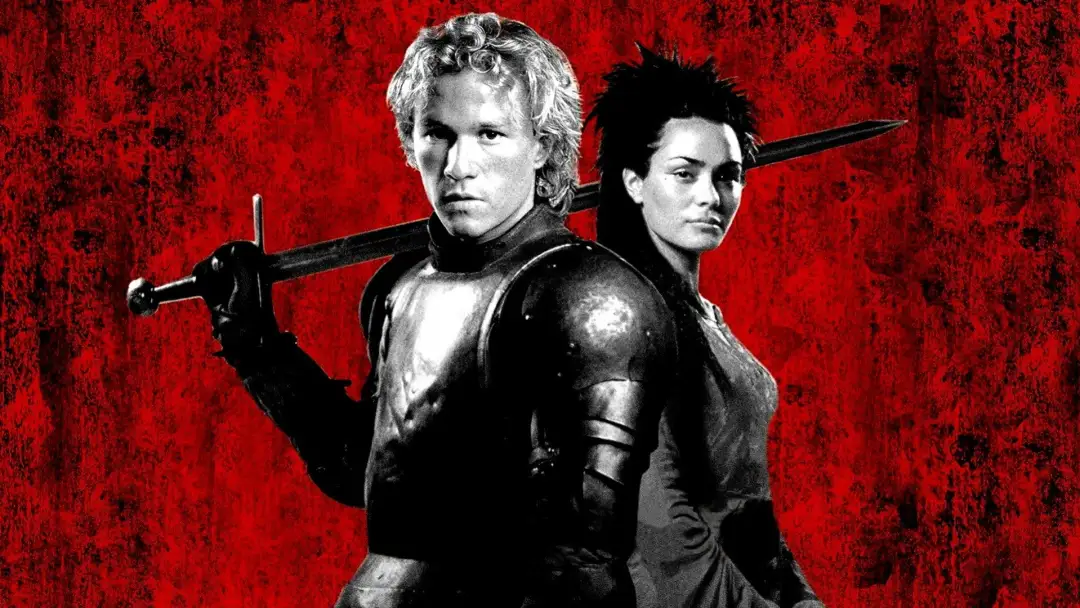
How A Knight’s Tale turns a joust into a stadium sport
From Queen’s opening beat to Bowie on the dance floor, A Knight’s Tale gives its crowds as much to do as its knight.
Read story
How the camera gets the joke in Abbott Elementary
Janine, Ava, Gregory and Barbara each give the documentary crew something different. Here’s what to watch for in the pilot and Wishlist.
Read story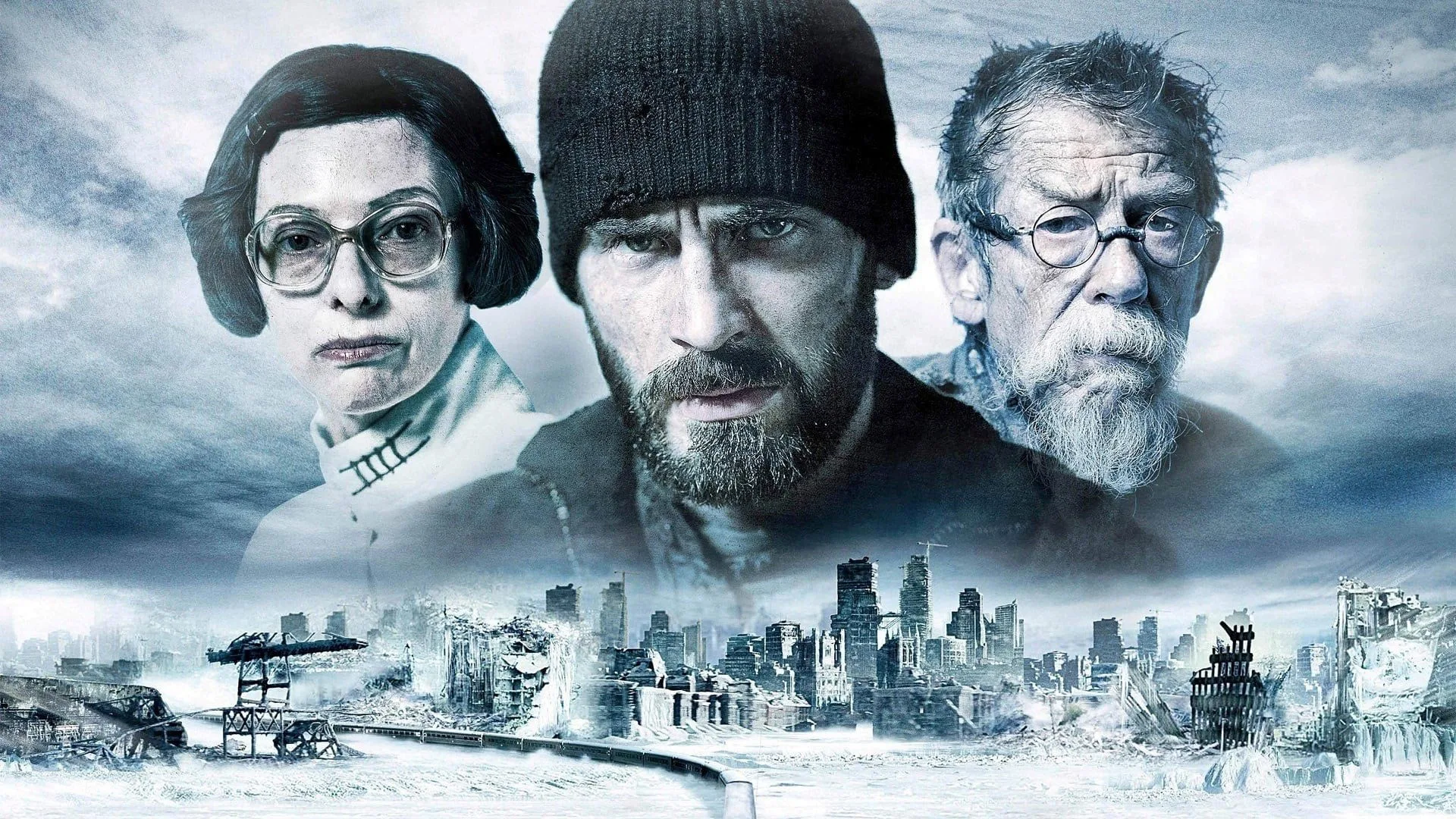
How Parasite and Snowpiercer make class visible
Follow the stairs in the Parks’ house and the doors on Curtis’s train to see how Bong Joon Ho tells us who belongs where.
Read story
What to watch after Your Name
Go back to rain-soaked Tokyo with Weathering with You or follow Suzume through Japan. Choose your next Makoto Shinkai film by what stayed with you.
Read story