Canon vs filler in anime: what should you watch?
Canon, filler, anime canon and mixed episodes are not always as clear-cut as filler lists make them look. Here is how the labels actually work — and when skipping an episode is safe.
In this article11 sections
If you have ever searched for an anime filler list, you have probably seen several labels that sound more precise than they really are: canon, filler, mixed canon/filler, anime canon and anime-original.
The basic difference is simple. Canon material belongs to the story or continuity being treated as authoritative. Filler is material added by an adaptation that is not required to follow the main source story. The problem is that anime adaptations do not always fit neatly into those two boxes.
An episode can adapt a manga chapter and add ten minutes of original material. An anime can introduce scenes that never appeared in the manga but later reference them again. A series can even abandon an anime-original storyline and return to the source material years later.
That is why a useful filler guide should do more than stamp episodes as either canon or filler.
Canon vs filler: the quick version
- Source canon: material adapted from the main source work, such as a manga or light novel, and part of the story the adaptation is following.
- Filler: anime-original material that is not necessary to understand the main source storyline and can usually be skipped without creating a gap in that storyline.
- Mixed canon/original: an episode that contains genuine source material alongside scenes, dialogue or story material created for the anime.
- Anime-original continuity: material created for the anime that may still matter inside that particular adaptation, even though it is not part of the original manga or novel.
The most important word here is usually. There is no universal industry-wide filler classification system that every publisher, studio and franchise follows. Labels such as “mixed canon/filler” and “anime canon” are often editorial tools used by guides to describe messy adaptations more accurately.
What does canon mean in anime?
Outside anime, canon can refer to a body of works accepted as authentic or authoritative. In anime fandom, the same basic idea is applied to fictional continuity: canon is the material that “counts” as part of the story being discussed.
For a straightforward manga adaptation, this normally means that scenes and events taken from the original manga are treated as source canon. A light-novel adaptation may use the novels instead. Other franchises can be more complicated because they have several official works, different continuities or direct involvement from the original creator in material that did not appear in the primary source.
This is why saying “the manga is canon and everything else is filler” is convenient, but not always accurate enough.
You first have to ask: canon to what?
A manga and its anime adaptation can share most of the same story while still becoming slightly different continuities. In more extreme cases, an adaptation can create a completely different ending and a later season can return to the source material instead.
Blue Exorcist is a useful example. The first anime eventually moved into anime-original material, while Kyoto Saga returned to adapting the manga continuity. That makes the earlier divergence real material from the anime, but not part of the manga storyline that the later adaptation chose to follow.
What does filler mean in anime?
In the traditional anime-adaptation sense, filler is material created for the anime rather than adapted from the main source.
Long-running weekly anime made the term especially familiar. When an adaptation moves through source material faster than new manga chapters are being produced, it risks getting too close to the source. One solution has historically been to slow the adaptation down or insert original stories so the manga can build a larger lead.
That is where entire filler arcs, standalone adventures, extended fights and anime-original side stories can come from.
But “filler” should not automatically mean “bad”.
An original episode can give minor characters more time, explore relationships the source moved past quickly, provide comedy between heavy arcs or simply tell an entertaining side story. The label describes its relationship to the source material; it is not a quality score.
Why mixed canon/filler is more complicated
Many episodes cannot honestly be classified as 100% canon or 100% filler.
Imagine an episode that adapts several important manga scenes but expands a short conversation, adds an anime-original fight and creates a new flashback. Skipping the whole episode because part of it is original would also mean skipping genuine source material.
That is what a label such as mixed canon/original is trying to communicate.
This matters because adaptation is not photocopying. Directors change scene order. Dialogue can be expanded. Fights that lasted a few panels can become several minutes of animation. Background characters may receive new moments. Sometimes an anime adds connective material simply because television and manga tell stories differently.
A good filler guide should therefore avoid pretending that every episode has a perfectly clean boundary.
What does “anime canon” mean?
This is probably the most confusing label in filler guides because it is not used consistently.
Some guides use anime canon for anime-original material that is treated as meaningful within the anime's own continuity. Others use it when original material had creator involvement, connects to official supplementary stories or becomes relevant again later in the adaptation.
That does not automatically make it source canon.
If an event never happened in the manga, calling it “anime canon” should normally mean something closer to “this belongs to the anime's version of the story”, not “this secretly happened in the manga too”.
That distinction is important enough that Watchmora will not use the label by itself in future filler guides. When we classify material as anime-original but relevant to the anime continuity, we will say what that means and why.
Is filler canon?
Usually, filler is not part of the original source canon. That is largely why it is being called filler in the first place.
But that answer needs one qualification: filler can still exist inside the continuity of the anime adaptation.
An anime may later mention an original character, location or event. That does not retroactively place it into the manga, but it can make skipping the material more noticeable when watching the anime as its own version of the story.
This is another reason a simple “skip every red episode” approach can sometimes fail.
Is anime-original material always filler?
No.
“Anime-original” only tells you that the material did not come directly from the source work. “Filler” usually adds another idea: that the material is optional to the main storyline being adapted.
An anime-original scene can expand something that clearly happened off-page. An anime-original episode can become important to the adaptation's continuity. And an original anime that was never based on a manga obviously cannot be divided into manga-canon and manga-filler episodes in the same way.
Viewers sometimes use filler casually for any episode that feels unimportant, but that is a different use of the word from a source-based filler guide.
Should you skip filler?
There is no rule saying that you should.
If your main goal is to follow the original story as efficiently as possible, skipping clearly identified pure filler can save a lot of time in a long-running series.
If you enjoy the characters and do not care about reaching the next major arc quickly, some filler may be worth watching.
A practical approach is:
- Source canon: watch it.
- Mixed canon/original: normally watch it because skipping the episode may remove genuine story material.
- Anime-original but continuity-relevant: check the guide notes before skipping.
- Pure optional filler: skip it if you only want the core story, or watch it if the premise sounds fun.
- Recap: usually optional if you remember the previous story, but a recap is better treated as its own category rather than automatically calling it filler.
The goal of a filler list should be to give you enough information to make that decision yourself.
How Watchmora will build anime filler guides
This article establishes the methodology we will use for title-specific filler guides.
We will not treat a community-maintained list as unquestionable truth. Instead, classifications should start with the source material and then be checked against the adaptation.
For each series, the process should be:
- Identify the authoritative source material. Usually this will be the manga or light novel being adapted, but the franchise may have additional official material that matters.
- Map episodes to the source. Determine which chapters, volumes or stories an episode actually adapts.
- Separate original additions. Note substantial scenes, stories or arcs created for the anime.
- Do not hide mixed episodes. If an episode combines source material with original material, label that ambiguity instead of forcing it into one box.
- Check continuity. Determine whether anime-original material is referenced later or is necessary to understand the adaptation.
- Explain uncertain cases. If reliable sources disagree, the guide should say so rather than invent a definitive answer.
Specialist filler databases can be useful evidence, especially for locating episodes that deserve closer checking. They are not a replacement for the original work or official franchise information.
Why long-running anime does not always need traditional filler
The production model matters too.
A continuously airing weekly adaptation has different pacing pressures from a seasonal series that can stop for months between batches of episodes. Breaks give the source more time to move ahead and give the production team another option besides stretching material or creating a long anime-original detour.
One Piece offers a current example of that changing approach. Toei Animation announced a reorganised production schedule for 2026 built around roughly 26 new episodes per year. The company said the new structure was intended to let future episodes reflect the manga's content, rhythm and pacing more closely.
That announcement does not mean filler has disappeared, and it should not be interpreted as proof that every anime-original scene is a production problem. It does show that modern scheduling gives long-running adaptations tools that were harder to use under an uninterrupted weekly model.
So what should you actually watch?
Use canon and filler labels as navigation, not as a verdict on whether an episode is worth your time.
If you want the closest route through the original story, prioritise source-canon material and be cautious about skipping mixed episodes. If you simply enjoy spending time in the world of the series, there is nothing wrong with watching anime-original stories too.
The important part is knowing what kind of material you are watching and making the choice yourself.
That is also why our future anime filler guides will tell you more than “watch” or “skip”. They will explain where each classification comes from, highlight uncertain cases and separate source canon from the continuity created by the anime itself.
Editorial references
Sources
-
Canon Definition & Meaning
Accessed 2026-08-10
-
To Filler Or Not To Filler - Your Guide To Dragon Ball Canon
Published/updated 2022-05-01 Accessed 2026-08-10
-
Naruto Arcs in Order Including Shippuden and Boruto
Published/updated 2023-10-03 Accessed 2026-08-10
-
What Is Blue Exorcist: Kyoto Saga? The Manga-Canon Season Explained
Published/updated 2024-01-13 Accessed 2026-08-10
-
Boruto: Naruto Next Generations (Definitive) Filler List
Accessed 2026-08-10
-
NEW PRODUCTION SCHEDULE FOR ONE PIECE IN 2026!
Published/updated 2025-11-07 Accessed 2026-08-10
More from Watchmora Journal

Inception ending explained: what it really means
Inception cuts to black before Cobb's spinning top gives us a final answer. Mechanically, the ending stays ambiguous. Emotionally, Cobb has already made his decision.
Read story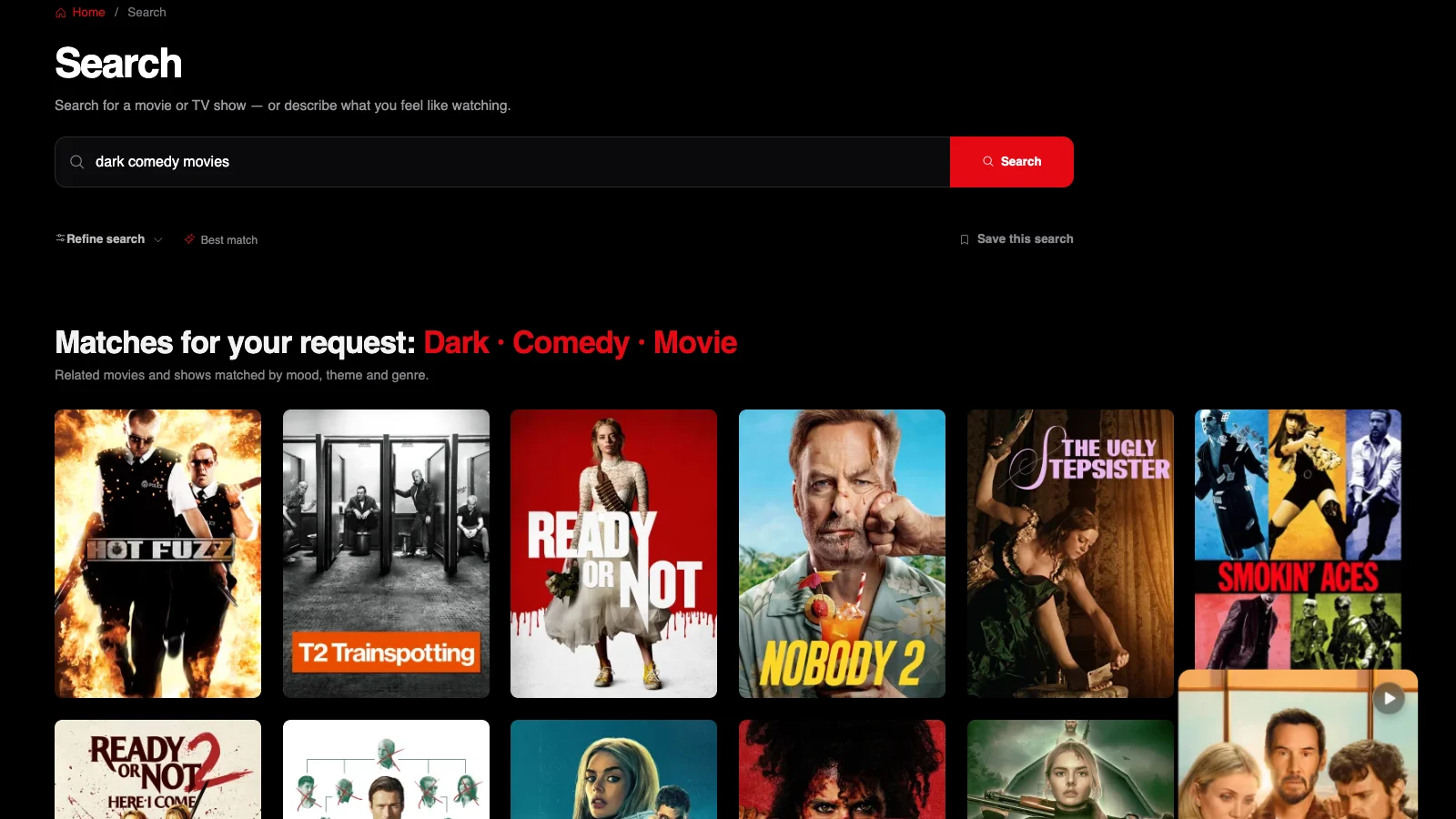
Don't know what to watch? Try searching Watchmora like this
You do not need to know a movie title to start searching. A mood, genre, format or even something you do not want can be enough to narrow the catalogue into something useful.
Read story
Where was Lost filmed? Key filming locations
The mysterious island in Lost was fictional, but much of what viewers saw was real Oʻahu. Beaches, valleys, camps and city buildings across the island repeatedly became completely different parts of the show.
Read story
Four mystery series for four very different moods
Some nights you want a mystery that feels clever and easy to watch. Other nights you want something bleak, forensic or completely outside the usual police formula. These four series cover very different moods.
Read story